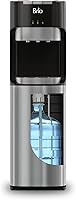
Water Cooler Leaking? What to Check
If your water cooler is leaking, unplug it first, then check the jug, the cap and the drip tray to find where the water starts. If it comes from inside the cabinet, stop and contact the maker.
On this page (10 sections)
- Should you unplug a leaking water cooler before you check it?
- Where is your leaking water cooler dripping from?
- Is the leak coming from the jug or the cap?
- Is the drip tray full or overflowing?
- Is it a leak or just condensation?
- Could the spout or tap be the problem?
- What about a bottleless unit with a water line?
- How do you clean up after a water cooler leak?
- When should you replace a leaking water cooler?
- Next steps if your water cooler is still leaking
If your water cooler is leaking, unplug it first. Then check the jug, the cap, the drip tray and the spout, in that order.
Each check takes a few minutes and needs only your hands and a towel. Start with the part that matches where the water shows up, since that saves time.
Should you unplug a leaking water cooler before you check it?
Yes. Unplug the unit before you touch the jug, the spout or anything inside the cabinet, and dry your hands first.
If water has reached the outlet, the plug or the cord, don't touch them. Contact the maker or a licensed electrician instead.
Once the unit is unplugged, dry the outside with a towel and set a dry towel or shallow tray underneath. Drying first helps you tell an old wet spot from a fresh drip.
A bottom-loading unit weighs about 38 to 41 pounds without a jug, so take the jug out and get a second person before you move the cooler.
Where is your leaking water cooler dripping from?
Water at the neck points to the jug or cap, while water under the base points to the drip tray or the cabinet. The table below matches what you see with the first check to make.
| Where the water shows | Check first | Then |
|---|---|---|
| At the neck or cap | The jug for cracks and the cap seal | The jug connection |
| Only after a jug change | How the jug is seated and the cap | The connector |
| On the floor under the unit | The drip tray and the base | Whether it's condensation |
| Spilling over the drip tray | The tray and how it sits | The jug and cap |
| A drip after you fill a cup | The tap and spout | Whether the drip stops once it's closed |
| At a bottleless hose fitting | The hose fittings | The maker's install guide |
If water shows in more than one place, start with the wettest spot, since it's often closest to the source.
Is the leak coming from the jug or the cap?
A cracked jug or a worn cap is one of the first things to check, and you can check both by hand. Work through the jug first, then the cap.
Check the jug for cracks
Disconnect the jug as your manual shows, then lift it out and look for cracks around the neck and along the seams. Run your fingers over the plastic too, since a hairline crack can be hard to see.
Use a jug that matches your cooler. Avalon says the A4 suits 3 to 5 gallon bottles, and Brio says its bottom-loading cooler fits a 3- or 5-gallon jug.
EcoForm's 5-gallon bottle has a screw neck, so it takes screw-on caps and not 55 mm crown-top snap caps.
Leaks that start after a jug change
A leak that starts right after a jug change points to the jug connection or the cap, because those are the parts you just handled. Reseat the jug, make sure the cap sits straight, and follow your manual's connection steps.
If you need a refresher on the parts, how a bottom-loading water dispenser works explains each one.
Check the cap and seal
Look at the cap's seal for cuts, flat spots or grit. A seal that doesn't sit flat can let water out around the neck.
Replace a cap that has cuts or flat spots rather than trying to patch it. A cap that doesn't fit the neck can't seal, so swap it only for one that matches.
Is the drip tray full or overflowing?
A full drip tray can overflow onto the floor, so empty it and make sure it sits in place. A tray that sits crooked can let water run past its edge, so check the seating each time you empty it.
Check the tray each time you change the jug, so you catch a drip early. If the tray fills again right after you empty it, look for a drip above it instead of emptying it more often.
Is it a leak or just condensation?
Beads of water on the outside of the cabinet are often condensation. Water that pools on the floor under the unit points to a real leak.
Condensation forms when warm, humid air meets a cold surface, so a cold cabinet in a humid room can collect beads of water.
Dry the outside, set a towel under the unit, and check it again after a few hours. If the towel stays dry, condensation is the likely cause.
Water cooler leaking from the base
Water under the base is a real leak, even when it's only a small amount. Check the drip tray, the jug connection and the cap, then contact the maker if it returns.
Could the spout or tap be the problem?
A tap that isn't fully closed can drip after you fill a cup, so check it first. Close the tap fully, wipe the spout dry, and watch where the next drop forms.
A drip that starts only after you fill a cup points to the tap rather than the jug. A steady drip with nobody using the unit points back to the jug and cap.
If your unit is a Brio and no water comes out at all, the Brio water dispenser not dispensing water fixes cover those checks.
What about a bottleless unit with a water line?
If your unit is bottleless and connects to a water line, check the outside of the hose fittings for wet spots first. Follow the install guide from the maker for the right fit.
Wipe each fitting dry and watch it for a few minutes to see whether a new drop forms. If it does, stop using the unit and contact the maker.
Do not open plumbing or electrical parts yourself. A licensed installer or the maker can check the connections for you.
How do you clean up after a water cooler leak?
Dry the floor and the outside of the unit, then wipe the drip tray and the base once you know where the water came from. Clean the unit after the fix, not before, so you can still tell where the leak started.
For the inside, follow your manual's cleaning steps. Some manuals allow a cleaning kit, so use only the cleaner your manual names, never mix cleaners, and rinse well before the unit dries.
For what to buy and skip, see our water cooler cleaning kits guide. For the full routine, read how to clean a water dispenser, step by step.
When should you replace a leaking water cooler?
Contact the maker first if the leak comes from inside the unit or the cabinet. Replace the unit only if the maker can't repair it or the leak comes back after the simple checks.
For an Avalon A4, start at Avalon's website. Have the model number ready, such as A4BLWTRCLR for the Avalon A4.
Repair or replace: a quick rule
Choose a repair when the leak traces to a worn cap, a loose jug connection or a tray that sits wrong.
Plan a replacement when the leak comes from inside the unit, the maker can't repair it and the warranty has ended. If the unit is still under warranty, contact the maker before you pay for a repair.
Next steps if your water cooler is still leaking
If your water cooler is still leaking after these checks, unplug it and contact the maker. Write down the model number, where the water shows up, and whether it leaks only while the unit runs or all the time.
After the fix, dry the area, run the unit as usual, and check the spot again after a few hours.
For a bottom-loading unit, the bottom-loading water dispensers guide explains the parts, and how to clean a bottom-loading water dispenser covers those steps in detail.
Frequently asked questions
What should I check first if my water cooler is leaking?
Unplug the unit first, then check the jug for cracks, the cap for a bad seal, and the drip tray and spout for overflow or drips. If the water comes from inside the cabinet, stop and contact the maker instead of opening it.
Is the water on the floor a leak or condensation?
Beads of water on the outside of a cold cabinet are often condensation, while water that pools under the unit or drips from the jug, cap or spout points to a real leak. Dry the outside, set a towel underneath, and check again after a few hours.
Why is my bottom-loading water cooler leaking after I change the jug?
A jug that isn't fully seated, a cap that wasn't tightened and a worn cap seal are common causes right after a jug change. Disconnect the jug as your manual shows, check the neck and cap for cracks or grit, and reseat it.
Can a cleaning kit fix a leaking water cooler?
No, because a cleaning kit is made for cleaning, so it won't seal a crack or replace a worn cap. Use only a cleaner your manual names, and clean the unit after you find and fix the source of the leak, not before.
When should I replace a leaking water cooler?
Replace the unit if the leak comes back after the simple checks and the maker can't repair it. Contact the maker first for any leak inside the unit, and check whether the warranty still applies before you pay for a repair.