How Much Electricity Does a Hot and Cold Dispenser Use?
No single number fits every hot and cold dispenser, but the hot side is the first place to look. Water cooler energy consumption also changes with how often you draw hot water, the room temperature and where the unit sits.
On this page (9 sections)
- What makes a hot and cold dispenser use power?
- How do wattage figures help you compare?
- Which features can help you use less power?
- Does the loading style change power use?
- How does room temperature affect power use?
- Does how often you draw water matter?
- How can you estimate your own power use?
- What should you check on a model before you buy?
- How to keep water cooler energy consumption down
Water cooler energy consumption depends on how the unit heats and cools water, so the answer comes down to habits and features more than one fixed number. This guide explains what drives power use and what you can change.
If you are new to the type, bottom-loading water dispensers is the place to start. If the names confuse you, water cooler vs water dispenser explains how they differ.
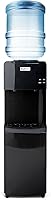
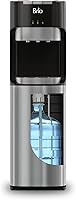
We checked the wattage figures and energy wording that brands publish for four models: the Avalon A3BLK, the Avalon A4, the Igloo and the Brio 130 Series. Those figures are a starting point, not a forecast of your use.
What makes a hot and cold dispenser use power?
A hot and cold dispenser uses power to heat one tank and chill another. Avalon lists both figures for the A4, with the heater at 420 watts and the cooler at 100 watts.
Water cooler energy consumption starts with the hot side
A hot tank that stays on keeps its water hot even when nobody draws any. That is why the hot setting matters so much for your power use.
How a bottom-loading water dispenser works explains the parts that heat the water.
The cold side draws less on the A4
On the A4, the cooler figure sits well below the heater figure, so the hot side deserves most of your attention.
Compare the hot and cold figures on any model you consider, since the gap between them shows where the power goes.
How do wattage figures help you compare?
A wattage figure shows how much power a part draws while it runs. It helps you compare models, but it doesn't tell you how long the heater runs in your home.
The table uses the brands' own figures and wording, so it shows how the four units compare on paper.
| Model | Figure the brand gives | Energy wording | Hot or cold switch |
|---|---|---|---|
| Avalon A3BLK | 520 watts | UL and ENERGY STAR approved (Avalon) | Not named |
| Avalon A4 | 420 watts hot, 100 watts cold | UL and ENERGY STAR approved (Avalon) | Not named |
| Igloo top-loading | 580 watts | Energy-saving features (Igloo) | Hot and cold switches |
| Brio 130 Series | 300 watts | ENERGY STAR 3.0 (Brio) | Not named |
Not named means we didn't find a switch mentioned for that model, so ask the brand if it matters to you.
The A3BLK, the Igloo and the 130 Series each get one number, so compare them with each other, not with the A4's two figures.
A unit with a lower figure can still use more power over a day if its hot side runs for long stretches.
We didn't find a standby figure or a per-day figure for any of the four. The wattage figures are the only power numbers the brands give, so use them as a rough guide.
Which features can help you use less power?
Energy-saving switches, a spot away from heat and a habit of drawing only the water you need can all help. Check which of these your unit has before you buy.
Energy-saving switches
Igloo says its energy-saving switches let you turn off the hot or cold side when it isn't needed. The switches control each temperature setting on its own, so you can run only the side you use.
The Igloo is a top-loading unit, and top loading vs bottom loading compares that style with bottom loaders. Turn a side off only when you know you won't need it for a while.
Cut power when the hot side sits idle
If you need hot water for tea or soup only at certain times, look for a unit that lets you switch the hot side off between them. Without that switch, your manual shows what the maker allows.
Self-cleaning and power use
Avalon lists a self-cleaning feature on the A3BLK, but we didn't find a separate power figure for it. Ask Avalon if that detail matters to you.
Read the energy wording carefully
Avalon says the A3BLK and the A4 are UL and ENERGY STAR approved, and Brio names ENERGY STAR 3.0 for the 130 Series. Read each maker's exact wording before you rely on it.
For how the program works, see ENERGY STAR.
Does the loading style change power use?
None of the four makers ties its power figures to loading style. Compare the wattage figures and the switches, then pick the style by who lifts the jug.
How does room temperature affect power use?
A warm room makes the cooling side work harder, and heat from nearby appliances adds to that load. Keep the unit away from a stove, a dishwasher or a sunny window.
A hot kitchen asks more of the cooling side. A cooler spot means the unit doesn't work against the heat around it, which is one of the simplest changes you can make.
Check your manual for the spacing the maker asks for around the unit.
Does how often you draw water matter?
Yes, because each hot draw lets fresh water into the hot tank and the heater has to warm it again. Frequent draws mean the hot side works more often.
A household that draws hot water for tea all day uses more power than one that draws it a couple of times a day, even on the same unit.
Cold draws work the same way for the cooling side, since more water drawn means more water to chill.
How can you estimate your own power use?
Multiply the watts the brand gives by the hours the part actually runs to get a rough energy figure in watt-hours. The hard part is the hours.
The hot side runs when it heats water after a draw and when it keeps the tank at temperature, so the hours change with how you use the unit.
If you own a plug-in power meter, it will show the real use over a week. On a unit with a hot side switch, compare a week with the switch on to a week with it off.
What should you check on a model before you buy?
Look for a wattage figure, a separate switch for the hot side and an energy label the brand names. Those three details tell you the most before you order.
A wattage figure is the starting point for comparing models. Compare the hot and cold figures separately when a brand gives both, as the A4 does.
A switch for the hot side gives you direct control, and Igloo's energy-saving switches are one example. Units without that switch give you less control over the hot side.
An energy label is worth a look, but read the brand's exact wording before you rely on it.
If a model gives no wattage at all, ask the brand for the figure before you compare it with others.
How to keep water cooler energy consumption down
Water cooler energy consumption comes down to a few habits you can control. Work through these in order, starting with the hot side, since it is the part to watch.
- Turn off the hot side when you won't need it, if your unit has a switch for it.
- Keep the unit out of direct sun and away from ovens and heaters.
- Draw only the hot water you need for each task.
- Follow the manual for spacing around the unit.
- Choose a model with energy-saving switches if you want that control.
For a home-wide comparison of types and sizes, read the water dispenser buying guide for home. To see which hot and cold models fit a home, start with best hot and cold water dispensers for home.
Frequently asked questions
How much electricity does a hot and cold water dispenser use?
There is no single figure for every unit, because how you use it changes the total. Brand wattage figures help you compare models, but they don't predict your own use, which depends on how long the hot side stays on and how often you draw water.
Does a hot and cold water cooler use more power than a cold-only unit?
It often does, since the hot side heats water and a cold-only unit skips that step, and Avalon gives the A4 a 420-watt hot side against a 100-watt cold side. The exact difference depends on how long the hot side stays on and how often you draw hot water.
Does turning off the hot side save power?
It can, on a unit with a switch for that side, and Igloo says its energy-saving switches let you turn off the hot or cold side when you don't need it. A unit without that switch gives you less control, so check the controls before you buy.
Does room temperature change how much power a dispenser uses?
It can, because a warm room makes the cooling side work harder and a unit near an oven or a sunny window picks up extra heat. Keep the unit in a cool spot away from heat sources, and remember that room temperature is one factor among several.